
This week between the pages
Reading retreats, daggy music revivals, notable books worth celebrating, and what I’m reading (and abandoning) right now. Plus, a new talking texts with teachers!

Happy Sunday! I hope you’ve all had a lovely, bookish week.
It’s been a big news week in local children’s literature. Andy Griffiths was named the 2026–2027 Australian Children’s Laureate, Magic Beach was crowned Australia’s favourite picture book, several local publishers were shortlisted for the 2026 Bologna Prize for the Best Children’s Publishers of the Year, and the Children’s Book Council of Australia announced a brand new category for their Book of the Year Awards. Melbourne Writers Festival also released tickets for MWF Schools 2026, and it sold out almost immediately. If you missed out and want to see whether there’s any chance of squeezing in, do get in touch.
In today’s newsletter, I’m sharing some thoughts on that recent book news, along with a few upcoming events and my own reading, as always. There’s also a Talking Texts with Teachers for paid subscribers who are, not so secretly, my absolute favourites. Thanks for being here!
Above the paywall: feelings about contemporary picture books, a reading retreat I think you should come along to, young people listening to daggy old music, an upcoming panel about notable children’s books, good news for middle readers, a resource for teaching Limberlost, and what I’m currently reading.
Under the paywall: a new addition to my Talking Texts with Teachers series, featuring a Western Australian educator who advocates for putting student engagement first when it comes to text selection.
That picture book poll
Without being too much of a curmudgeon, pretty much everything I have to say about the recent Guardian poll of Australia’s best picture books is summed up by Kate Temple right here. The title of her article really says it all. I’m not mad about Magic Beach taking out the top spot. It’s a classic for a reason. But by the time the votes were counted, few contemporary titles featured on the higher end of the list. Readers clearly voted with nostalgia, and when parents and grandparents head to the bookshop and library, many of them do the same.


Here’s my view: we’re letting our kids down if the books we champion above all others are as boring and outdated as some of those that ranked so highly on that list. A bit harsh, I know. And I won’t labour the point. If you’re reading this newsletter, you already understand I’m an advocate for diverse, contemporary stories. Ones that don’t revolve around mothers on salad diets or the endlessly repetitive routines of wombats. We all loved Possum Magic growing up because it once filled a gap. These days, Australian kids are spoiled for choice. The problem now isn’t a lack of local stories, it’s our reluctance to move past the ones we already know.
Still, for all my whinging, I am grateful for any celebration of Australian stories. We have a rich storytelling culture here. I just want us to keep backing the stories that reflect the kids of today, not only the childhoods we remember. Nostalgia has its place, but I truly believe our loudest love should be reserved for the stories that make children feel seen, not just sentimental.
Page Break
I think my ideal holiday would be a reading retreat. Time carved out purely for reading, away from the rest of the world, with long stretches of quiet and the kind of conversations you only have with other readers. The ones where you talk about books you loved, books you didn’t, and books that rearranged something in your brain. Add a mocktail or two and I’m there.
So can you believe I get to take this exact holiday and call it work?
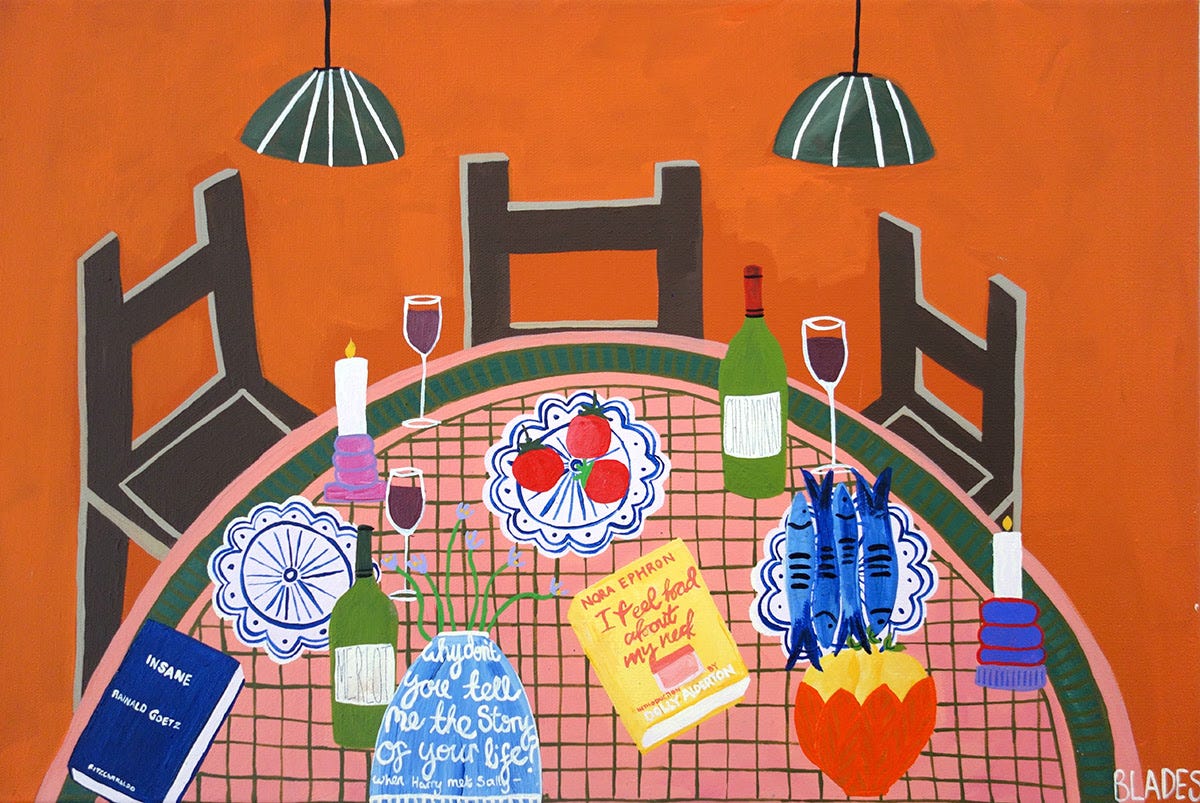
That’s right, this year I am taking part in VATE’s first ever reading retreat, Page Break.
To me, this event is a reminder that teachers and school staff should always be encouraged—urged, even—to prioritise their own reading. Not an optional extra once everything else is done, but as a vital part of the work. Reading sustains us, sharpens our thinking and reconnects us to why stories matter in the first place. You can’t pour from an empty cup, and you certainly can’t champion reading if you’ve had no time to read yourself.
If you have the means and availability to do so, please come along!
Through a blend of quiet reflection, lively discussion and collegial connection, participants will consider their own habits as readers, explore how they engage with stories and ideas, and deepen their sense of belonging to a vibrant community of fellow book lovers. Guided by thoughtfully curated literary experiences with guest authors, the Page Break Reading Retreat offers a space to not only appreciate the personal dimensions of engaging with texts, but also to share insights, swap perspectives, and celebrate the collective joy that emerges when we experience literature alongside others.
Friday 29 May – Sunday 31 May 2026
Venue: The Trawool Estate, 8150 Goulburn Valley Highway, Trawool, on the lands of the Taungurung People
Cost: $850 (inc. GST) per person (2026 VATE members only)
Want to share a room with your VATE mate? Shared rooms (2-3 people) are available at a reduced rate of $650 (inc. GST) per person. Registrations for this option must be made through the VATE office. Please email events@vate.org.au to discuss this option.
Read more about the reading retreat right here.
Spots are super limited, so register now if this sounds as dreamy to you as it does to me.
In praise of daggy music taste

I was very happy to see a recent article about young people driving a revival of classic hits from the 50s to the 90s, discovering artists like Fleetwood Mac and ABBA. The kind of stuff played on Gold104.3 and SmoothFM. My channels of choice!
Part of my delight (beyond the general joy of young people loving old songs) is that the twelve-year-old protagonist in my novel The Paperbark Tree Committee also loves daggy music from a bygone era. This was something my publisher queried at the time. Wouldn’t he listen to Ed Sheeran or Taylor Swift instead? The music I wrote him dancing along to isn’t even from his parents’ era!
I’m glad I stuck to my guns and kept Art as a lover of classic hits. I think it says a lot about his character—and I’ve known plenty of teenagers over the years who discover Bruce Springsteen or Electric Light Orchestra and feel like they’re the first people on earth to do so. It’s the best. As the WSJ article points out, part of the appeal is that older music is simply better, as more contemporary stuff “often sounds overproduced and emotionally cold”.
Give me the drama of SOS or Purple Rain any day!
Notable books
I’ve been asked to chair a panel for the CBCA Victorian Branch Night of the Notables, celebrating the announcement of the CBCA Notables on Tuesday 24 February. This is ironically happening right after I’ve written a guide to facilitating author talks. So, no pressure at all.
Luckily, my two guests are always an absolute dream to work with: Gabrielle Wang and Stuart Wilson. Our conversation will focus on notable books in their reading and writing lives, which feels like a pretty perfect way to spend an evening!
If you’re Victoria-based, I’d love to see you there.
Middle readers
Another CBCA update: a new award category!
This news is genuinely pleasing, and to me it’s a strong sign that CBCA is willing to move with the times and listen when the community calls for change. This week, CBCA announced the introduction of a Middle Readers Book of the Year category, to be included from the 2027 CBCA Book of the Year Awards.
From 2027, books for independent readers will be recognised across three age-based categories: older readers (ages 13–18), middle readers (ages 10–13), and younger readers (ages 6–9).
I’m very pro this update. It acknowledges the distinct needs and reading experiences of middle grade readers, and gives long-overdue visibility to a powerhouse part of children’s publishing. It should also make it much easier for teachers, librarians, booksellers and families to champion books that truly meet kids where they’re at.
Teaching Limberlost
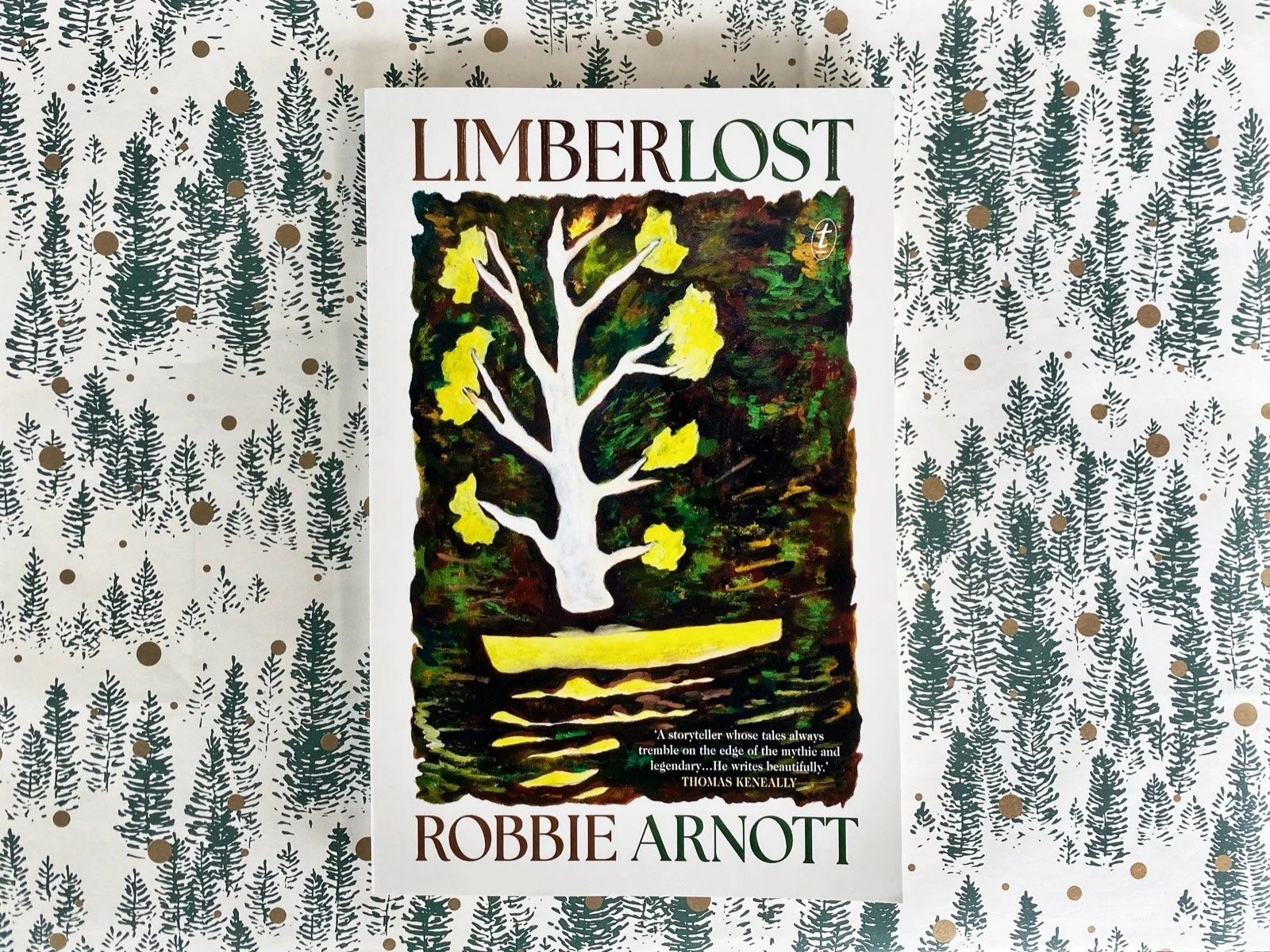
A quick tip for any senior school teachers out there: there’s now a new, free teaching resource for Limberlost by Robbie Arnott available on Reading Australia. As project manager for the secondary resources, I’m particularly pleased to see this one launched. The unit is thorough, thoughtfully structured and designed to support educators to teach this exceptional novel with confidence in the upper secondary years. It’s a great addition for English classrooms working with complex, contemporary Australian texts.
What I’m currently reading


First, some flops. This week I started reading Half His Age by Jennette McCurdy and Some Bright Nowhere by Ann Packer, and abandoned both. As usual, it was me, not them. Both were exceptionally well-written, but I just wasn’t in the right mood or frame of mind to read about student–teacher relationships, or the final days of someone dying from cancer. On another day, I might happily take either.
Because just as not every book is for every person, not every book is for every moment in your life. Or even every day of the week. I may well revisit both in another season.
Do you abandon books, or do you stick with them no matter what? I’m firmly in the former camp—perhaps a little too enthusiastically so. But I think I may be in the minority there. Weigh in here:
On to the books I did read and finish!
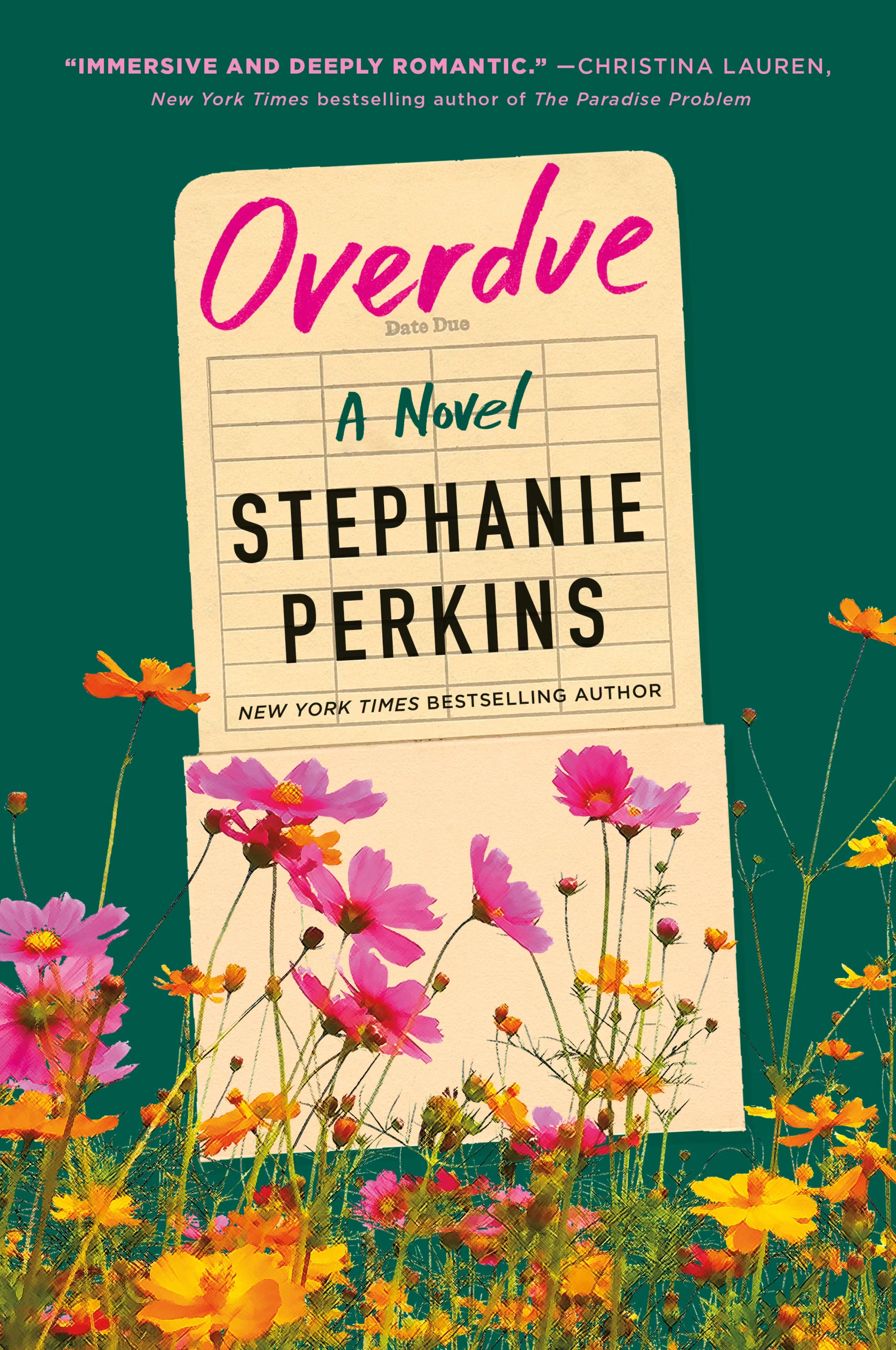
Overdue by Stephanie Perkins was a real treat. I’ve loved Stephanie Perkins’ young adult romances in the past, and this adult debut delivers much of the same warmth and charm with added depth and maturity. It’s a slow-burn, character-driven romance set in a cosy mountain town, centred on librarians, the unravelling of a long-term relationship, a workplace crush, and the messy business of figuring out what you really want from love.
Ingrid Dahl is the best kind of protagonist: frustrating, loveable and relatable. After eleven years with her college boyfriend, she agrees to a one-month break to date other people, hoping it will clarify whether marriage is the right next step. Of course, plans don’t go to script, and her long-nurtured crush on her grumpy but thoughtful coworker complicates everything.
This is a story about best-laid plans going wonderfully awry and about the courage it takes to build a life that truly fits. There’s emotional honesty here that elevates the novel beyond a typical romance: themes of self-discovery, pressure to meet conventional milestones, and the value of chosen family are woven throughout Ingrid’s journey. Fans of slow-burn romances, workplace and friends-to-lovers dynamics, or stories about personal growth will find a lot to enjoy here. And because the library and bookish world are such rich settings, this will especially appeal to fellow book nerds who enjoy romance that feels grounded. I loved it!
Two picture books stood out from the crowd this week.
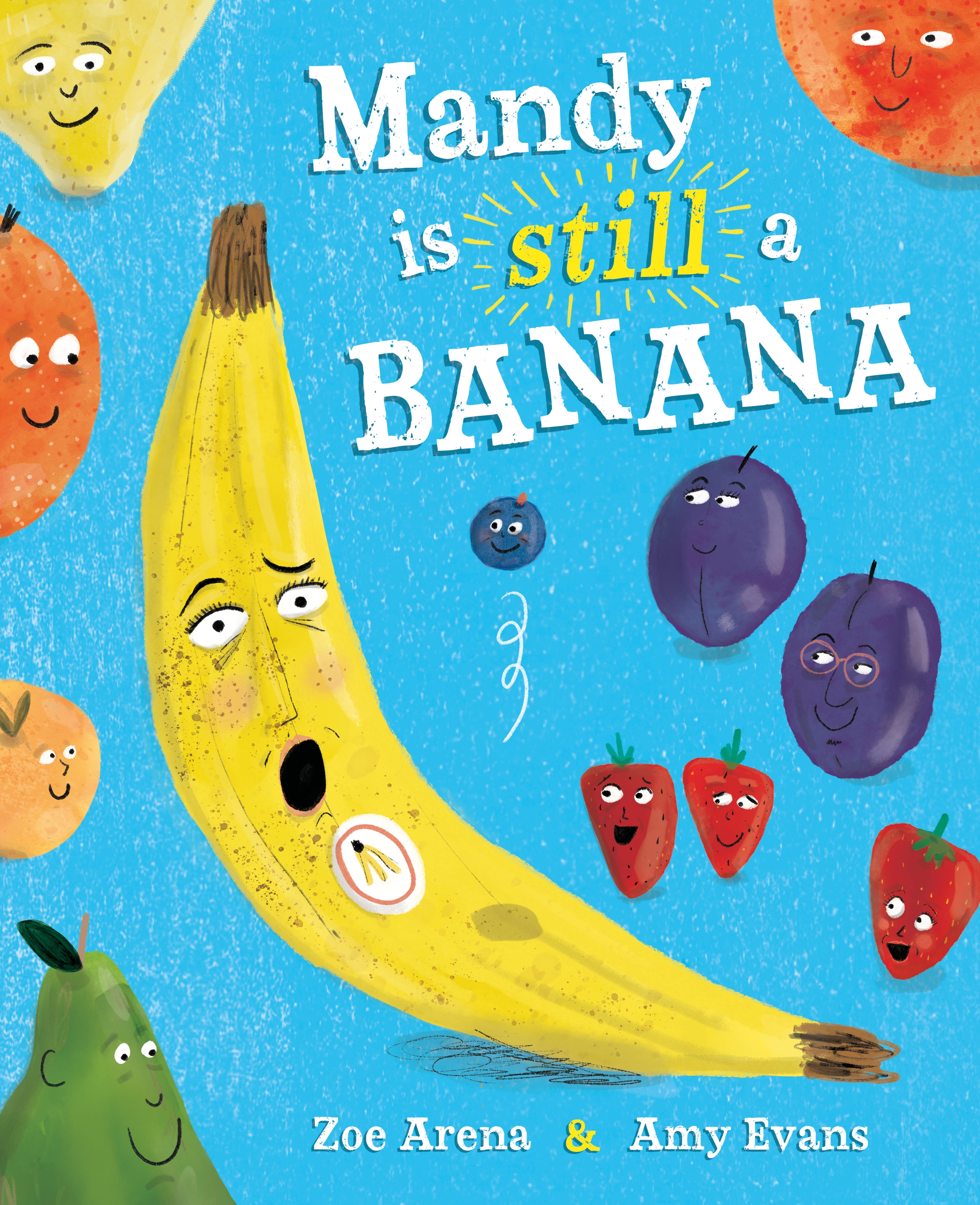
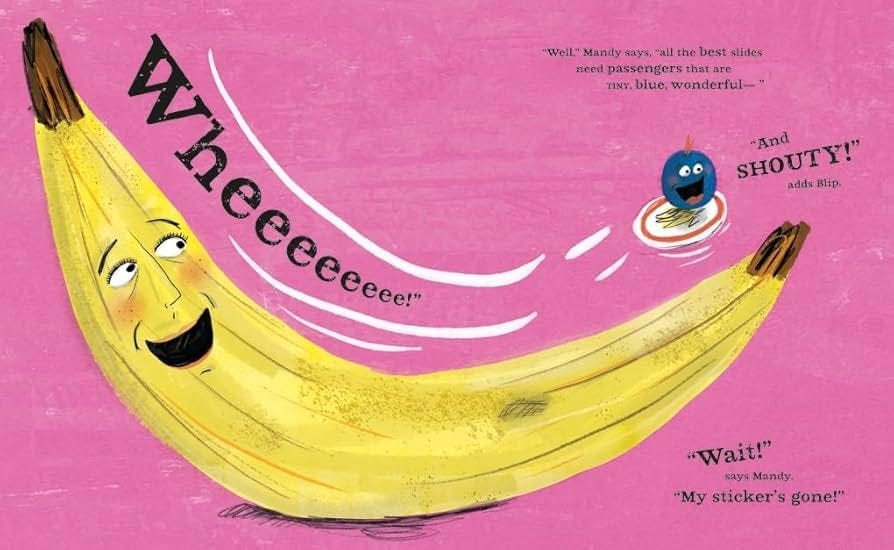
Mandy Is Still a Banana by Zoe Arena and Amy Louise Evans is a chaotic, irreverent treat that is sure to delight both young readers and adults with its mischievous humour. The illustrations are spot-on, and the whole thing makes for a brilliantly fun read-aloud experience, encouraging plenty of shouting and cheering. Maybe not the most calming choice at bedtime, but an absolute joy for giggles any other time of the day!
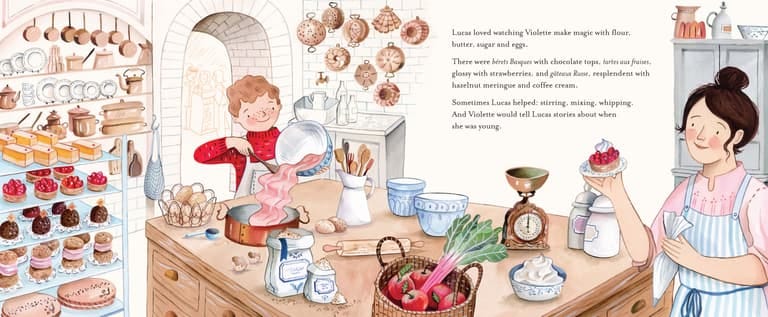
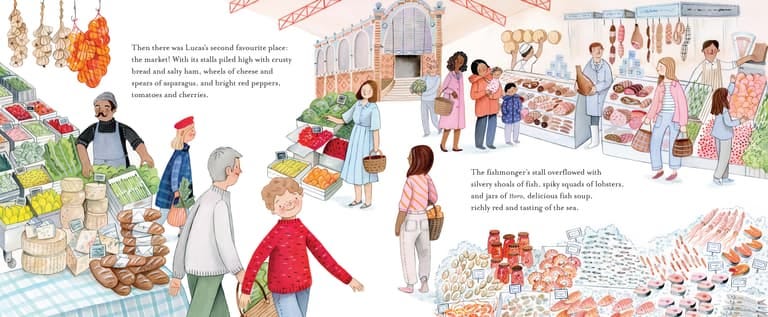
On the other hand, The Fishmonger and the Pastry Chef by Sophie Masson is a quiet love story in which two grown-ups are gently guided together by a well-meaning young person in their lives. Set in a small seaside town, Sophie Masson’s evocative descriptions of markets, bakeries and the coast create a comforting sense of place. There is something tender about the way loneliness and connection are handled here. Nothing is rushed or overstated. It’s a story that deals in small moments, kind intentions and the magic of noticing one another. My toddler and I both loved it.
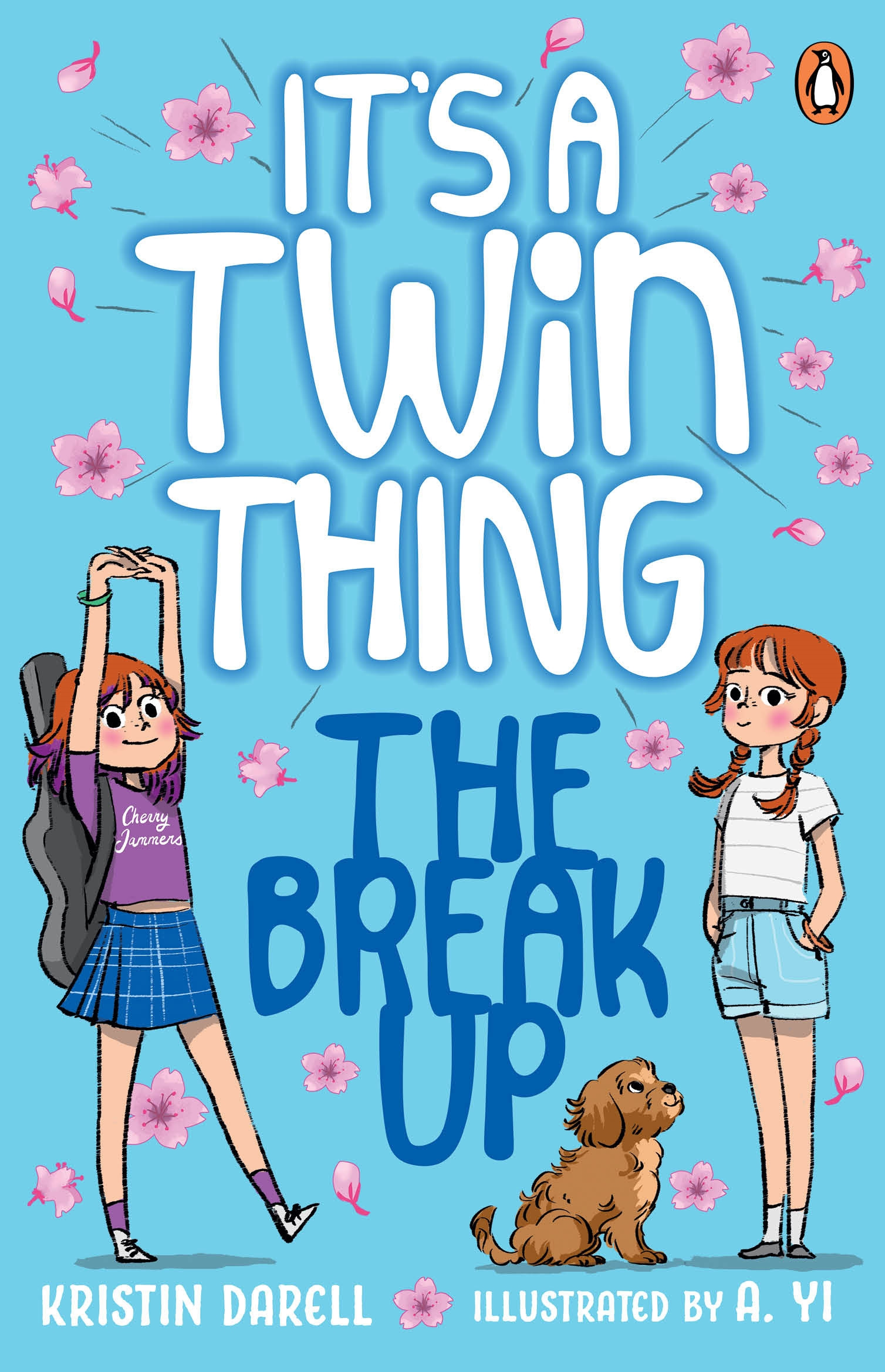
Finally, I’ve been asked to launch It’s a Twin Thing by Kristin Darell and A. Yi next month at Readings Kids, and have been reading it in anticipation! This first book in an ongoing series is a great pick for middle grade readers who love stories about friendship, identity and family. Focusing on identical twins Abi and Brook, whose close bond is shaken when they’re placed in different classes, the book gently explores growing independence and self-discovery. Relatable and full of insight into sibling dynamics, it’s an engaging and reassuring read for kids navigating change.
Talking texts with teachers #13
Sophie Helfgott is a teacher-librarian at Christ Church Grammar School in Perth, Western Australia. Working with boys from Pre-Kindy to Year 6, she helps curate the library collection and deliver programs to classes. She is a current judge for the CBCA Book of the Year Awards in the Younger Readers category.
What is the best text you’ve ever taught, and why?
