
Run from Holes
A newsletter in which I calmly explain why you shouldn't teach Holes to your Year 7s next year. (It took me a lot to stay calm.)

Hello readers! It’s lovely to have you here.
Children’s Book Week is just around the corner, which means Children’s Book Month (unofficial) has already begun. Authors and illustrators across the country are heading into schools and libraries to talk about stories, creativity and reading, and I’ll be joining them for quite a few visits of my own, with bookings still trickling in at this late hour. Apparently, it is impossible to say no to an opportunity to talk books with young people! (Keep them coming, I’m very happy to have a chock-a-block month or two.)
The CBCA Book of the Year Awards will also be announced very soon, with my middle grade novel The Paperbark Tree Committee in contention in the Younger Readers category. Being shortlisted has been a dream come true, and that shiny sticker has already brought more opportunities my way than I could have imagined.
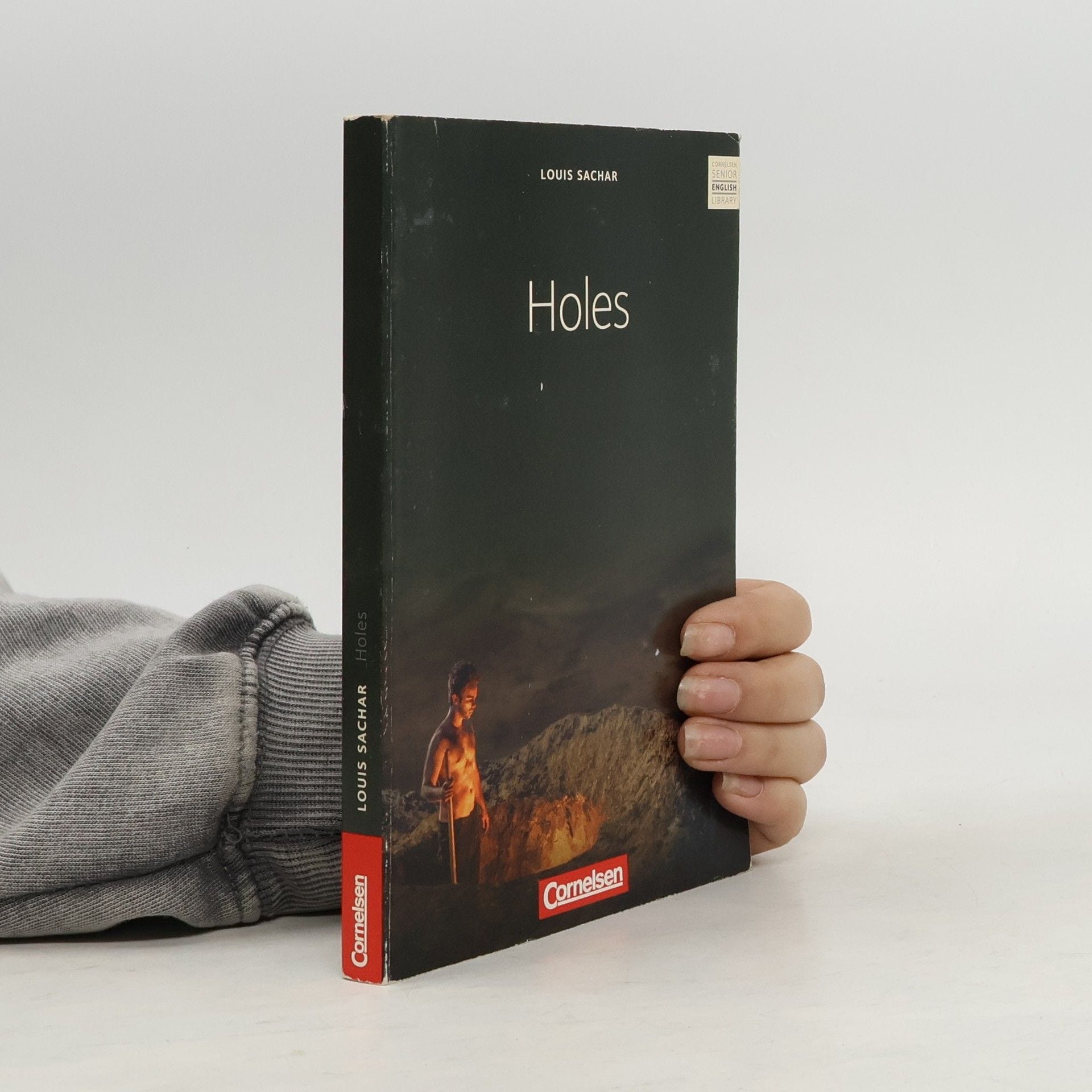
The other shortlisted books in the category are exceptional, and I’m seriously thrilled to be standing alongside them. Last week, a colleague sent me a short but distressing email: her English team is considering booklisting Holes for next year. (The horror!) My immediate thought was: they should be teaching Run or Spirit of the Crocodile instead.
Both of these CBCA shortlisted titles would make excellent Year 7 class texts. Below the paywall this week, I’m going to explain why, and also share some practical strategies for getting them booklisted in place of the outdated, overdone Louis Sachar classic.
So, let’s do this.
Above the paywall: some thoughts on writing for children versus adults, some school library snippets, Meg Mason in conversation, plus what I’m currently reading.
Below the paywall: why (and how) to teach Run or Spirit of the Crocodile with your Year 7s next year.


Stay in your lane (or don’t)

It has become a common thing lately for Australian children’s authors to start writing for adults, and, as it turns out, many of them seem to be doing it extremely well. This may be because the border between the two readerships was never as solid as publishing categories made it appear. A writer is still working with character, language, structure and imagination. The only thing that has changed is the reader.
Until now, I’ve written only middle grade novels. I recently attempted a YA manuscript, with results I would generously describe as educational, and lately, behind the scenes and just for my own enjoyment, I’ve been dabbling in short fiction for an older audience. So far, it’s just about embracing the challenge, from the different freedoms, the different expectations and the strangeness involved in imagining a grown-up at the other end of the page. Adult fiction is definitely not more serious, difficult or worthy than children’s literature, not by a long shot. But moving between readerships has made me feel newly conscious of the assumptions I bring to each one, as a reader as much as a writer.
The publishing industry, of course, does not always treat those readerships equally. I have spoken to a few children’s authors who talk about finally being taken seriously when they publish for adults. One writer told me just the other day that they couldn’t believe how much larger the marketing budget was for their adult novel than for their YA work—or how many more review, interview and profile opportunities suddenly appeared. Apparently, writing for grown-ups can make an author seem more grown-up, too.
Strangely, I feel almost the opposite. I’m embarrassed to share my adult writing because I’m a kids’ writer, and an early career one at that. I barely know how to write for kids, let alone grown-ups. And who said I could do this, anyway!? There is a persistent voice suggesting I should stay in my lane. At the same time, I’m trying to remind myself that readerships are not like freeway exits, and sometimes you just have to follow your gut rather than the GPS.
Maybe this discomfort and internal tussle is part of what makes writing across audiences worthwhile. It is unsettling the version of myself I have learned to present to the world. I don’t know whether my experiments in adult writing will lead anywhere, but for now I’m enjoying being a beginner again, and discovering that the boundaries around my writing may be less fixed than I thought.
Now! Onto the people that are actually doing it well. Here are a couple of adult books I can recommend, all by authors who have previously written for children:


Three Boys Gone by Mark Smith — and I’m looking forward to his new one, Where Truth Ends
Some school library snippets this week
A student I call over to the front desk gets a dark look in his eyes because he assumes he’s in trouble. To be fair, he usually is. But when I explain that I’ve put aside a new manga for him, his face lights up. He practically skips back to his seat, book in hand.
A student who quietly asked me for some queer fantasy two weeks ago returns Lady’s Knight and Unhallowed Halls, beaming. They were exactly what she was looking for.
A student reluctantly borrows What Have They Done to Liza McLean? because their teacher says they have to choose something. The next day, they bring it back and demand another book by the same author. They stayed up late reading it and needed something new for the weekend.


The adults I work with can sometimes be challenging. It has been one of those weeks, if I’m honest. But working with teenagers pretty much always buoys me. They are so often funny, earnest and unexpectedly open. Sometimes the smallest school library victories (a skipped step, a beaming face, an urgent request for the next book) are enough to restore my faith in almost everything.
Dazzling Meg Mason
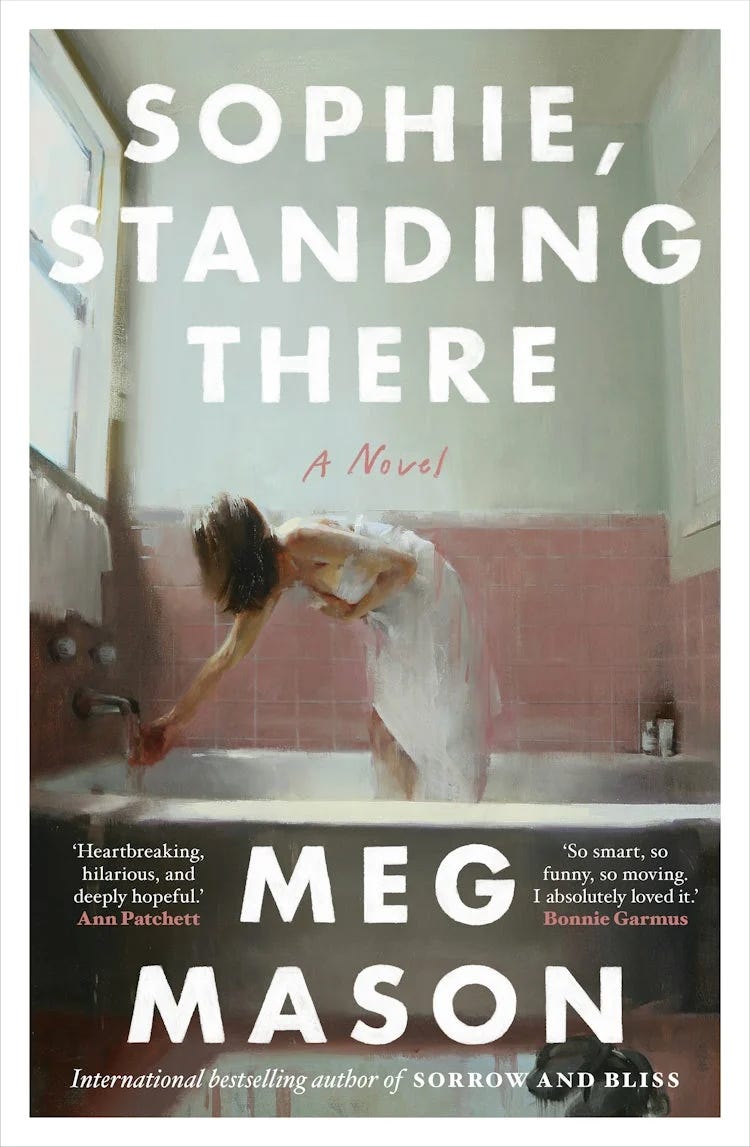
This week, I went to see Meg Mason in conversation about her much-anticipated new novel, Sophie, Standing There. Mason’s previous novel, Sorrow and Bliss, became one of those rare pandemic-era sensations, catapulting her to international acclaim. At the time, it felt like it was written just for me. (I know a lot of people who felt the exact same way.)
The event on Thursday at Cinema Nova was everything you want an author conversation to be: intimate, insightful and extremely feel-good. Meg Mason might be one of the most naturally funny writers I’ve ever seen on stage. She was self-deprecating and disarmingly humble, but also assured, incisive and completely dazzling. I could have listened to her for another hour at least. Now I’m impatient to finish my current book and move straight onto Sophie!
What I’m currently reading
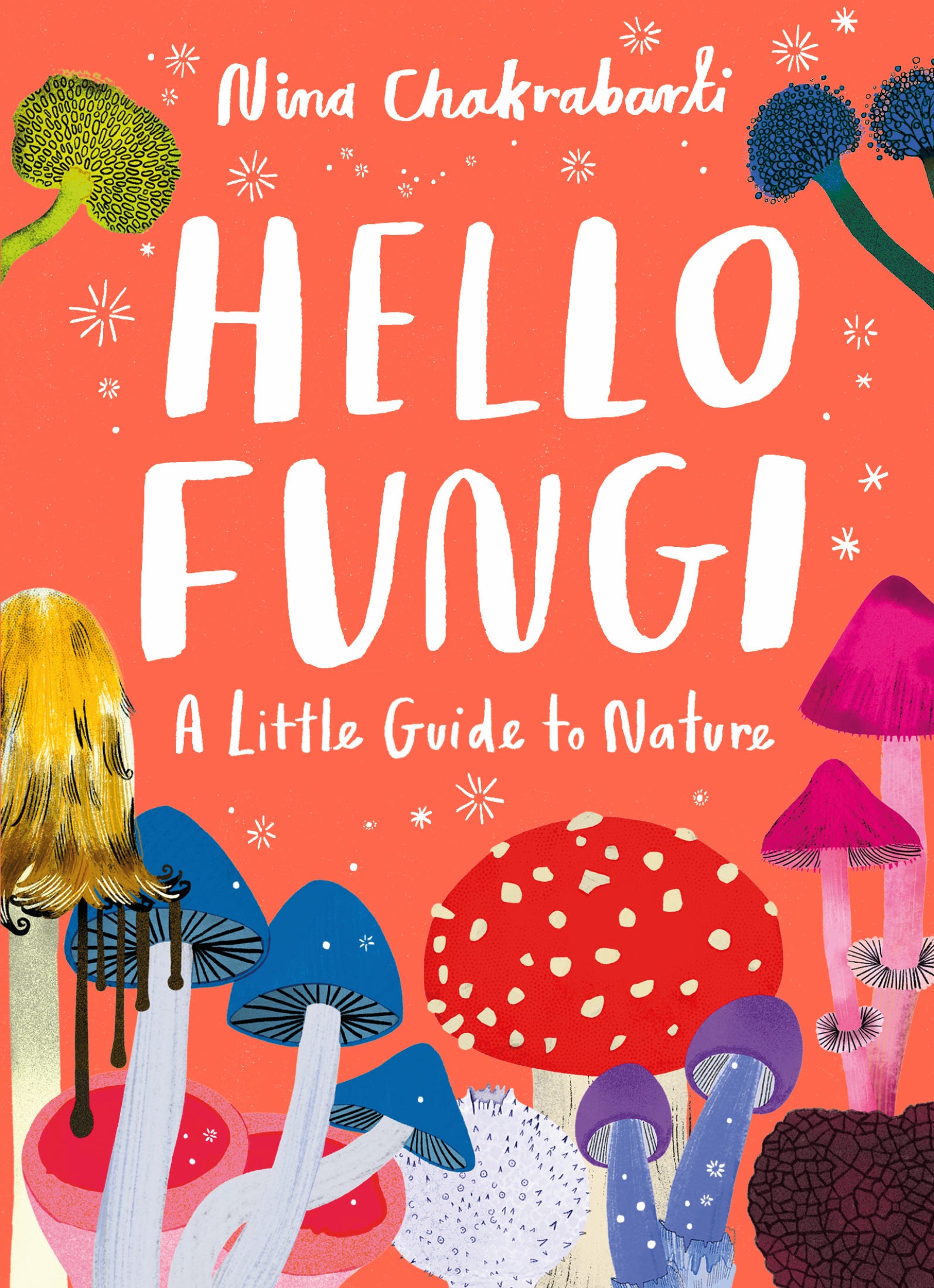
Last weekend, my daughter and I had a city day, and no city day is complete without a visit to the bargain mezzanine at Dymocks on Collins Street… at least in my opinion. There, for the grand sum of $4.99, we picked up a copy of Little Guides to Nature: Hello Fungi, a very sweetly illustrated non-fiction book for young readers.
My daughter is currently taking a firm anti-mushroom position at mealtimes, and I’m hoping this little guide, with its colourful fungi, identification tips and activities, will encourage her to appreciate the magic of this strange corner of the natural world. Maybe she will even stop picking the mushrooms off her plate! Alternatively, she may become completely freaked out by an organism that is neither plant nor animal nor bacteria and never eat one again. The book is cute, though.
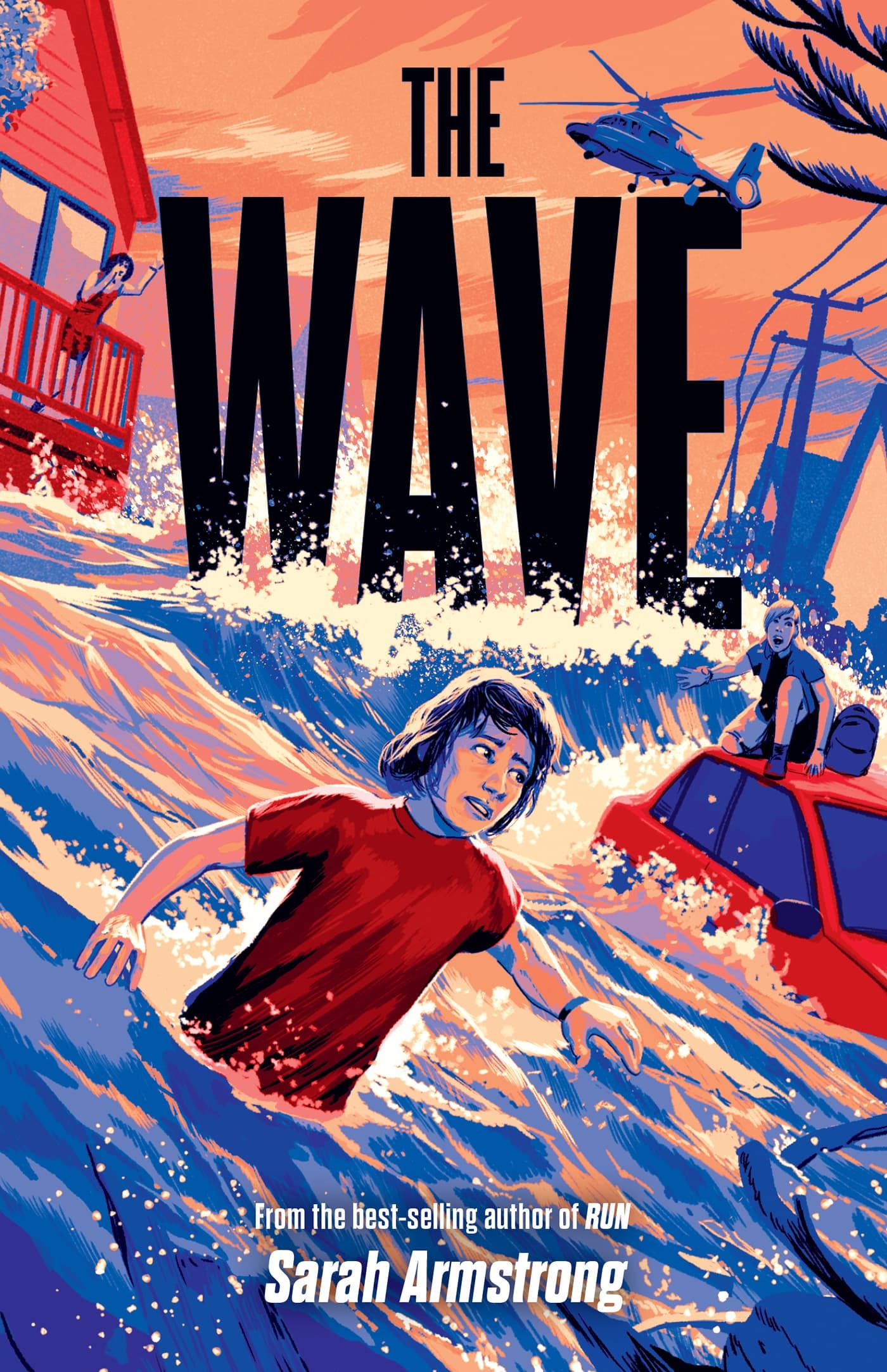
There is a lot of Sarah Armstrong love in this newsletter, including here, where I must inform you that she is on an absolute roll. Her new novel, The Wave, is out later this month, and I suggest getting your hands on it as soon as you can.
As a primary school student, I developed a serious fascination with tsunamis. I owned a natural disasters VHS series that I think my father received as a free gift with his Reader’s Digest subscription, and I watched it until the tape practically fell apart. I don’t think this was an entirely solitary obsession. Many children go through a phase in which natural disasters and survival narratives become the most compelling subjects imaginable.
And now we have The Wave. Thirteen-year-old Max is home alone when a tsunami warning hits his coastal town. He cannot find his dog, and while everyone else races towards higher ground, Max must decide who and what he is willing to risk his life for. The novel does exactly what good survival fiction should do by taking a primal fear, adding a ticking clock and making you wonder what you would do in the same situation. It is propulsive and perfectly pitched for readers who want realistic danger without the story becoming too grim.
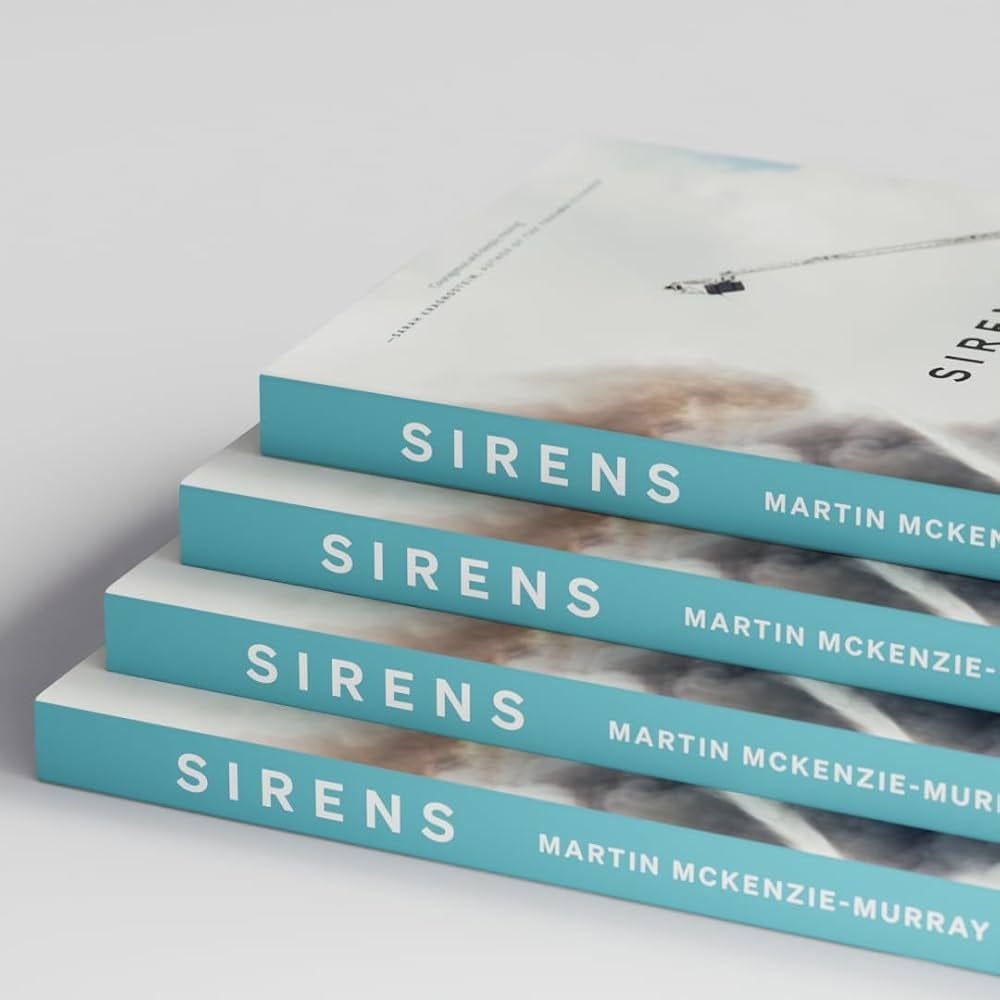
The book I can’t stop thinking about this week is Sirens: Inside the Shadow World of First Responders by Martin McKenzie-Murray. I read it in a single afternoon. The narrative follows three first responders—a paramedic, a firefighter and a police officer—and considers not only what they have witnessed through their work, but what drew them towards these professions in the first place.
I have always read stories like this as a way of confronting some of my biggest fears about accidents, injuries and disasters. That is, looking directly at the terrible thing in the hope that understanding it might make it less terrifying. Sirens somehow gave me something even more valuable. Martin McKenzie-Murray writes about trauma with insight and compassion, resisting both easy heroism and tidy narratives of recovery. His exploration of PTSD shows how the past can reshape a person’s instincts, relationships and sense of safety, and how trauma cannot be filed away as an individual failure to cope. It is confronting and tender and honestly, a must-read.
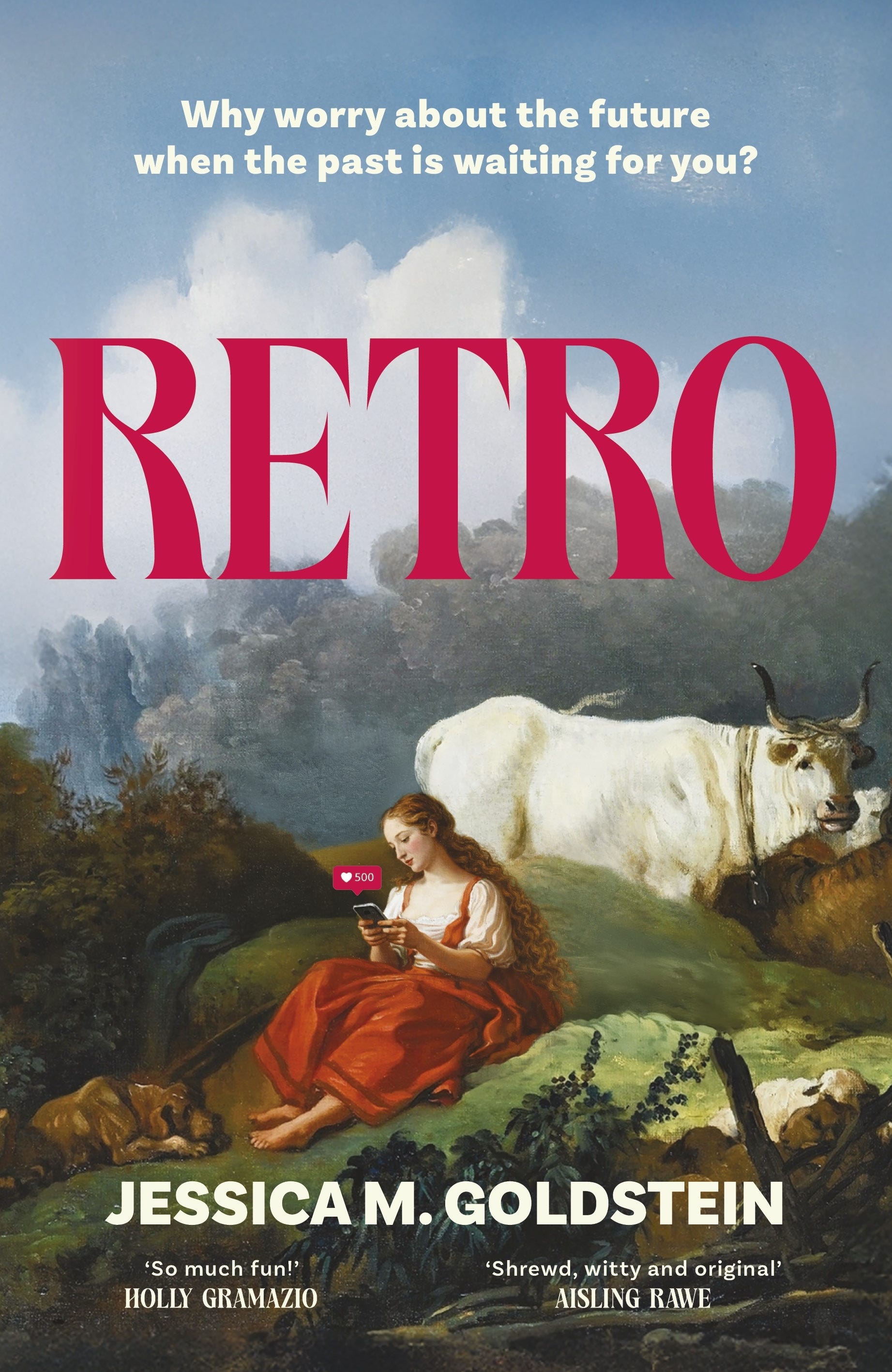
Finally, if you read Caro Claire Burke’s Yesteryear and have been desperately trying to recreate that feeling ever since, pick up Retro by Jessica M. Goldstein. Immediately, it felt to me like a cross between Yesteryear and another favourite, Kaliane Bradley’s The Ministry of Time. It is speculative, satirical and very interested in what happens when nostalgia becomes both a commodity and an escape route.
The story follows Ash, a failed actress who takes a job at Retro, an agency offering time travel experiences to the ultra-wealthy. Soon she is leading bachelorette parties through the Old West, supervising birthday celebrations at Woodstock and becoming entangled with a hard-drinking detective from 1937. Of course, the company’s intentions are rather more sinister than its glossy sales pitch suggests.
Billed as “a smart exploration of time travel in the Instagram age”, Retro is funny, strange and unsettling. It is a workplace novel, a time travel adventure and a critique of our desire to package the past into something attractive… and with a monetary value. I’m not quite sure why it isn’t already a much bigger hit, although it has only just arrived in Australia, so perhaps the reviews are still coming. Get in early and we can pretend we were the ones who discovered it.
Online, I really wanted to read this, on the end of reading. But of course I am not a current subscriber, and have reached my upper limit of paid subscriptions! If you are a subscriber (or know a loophole for reading The Atlantic, such as access via a public library), please let me know what you think.
Booklist gems #11: Run from Holes
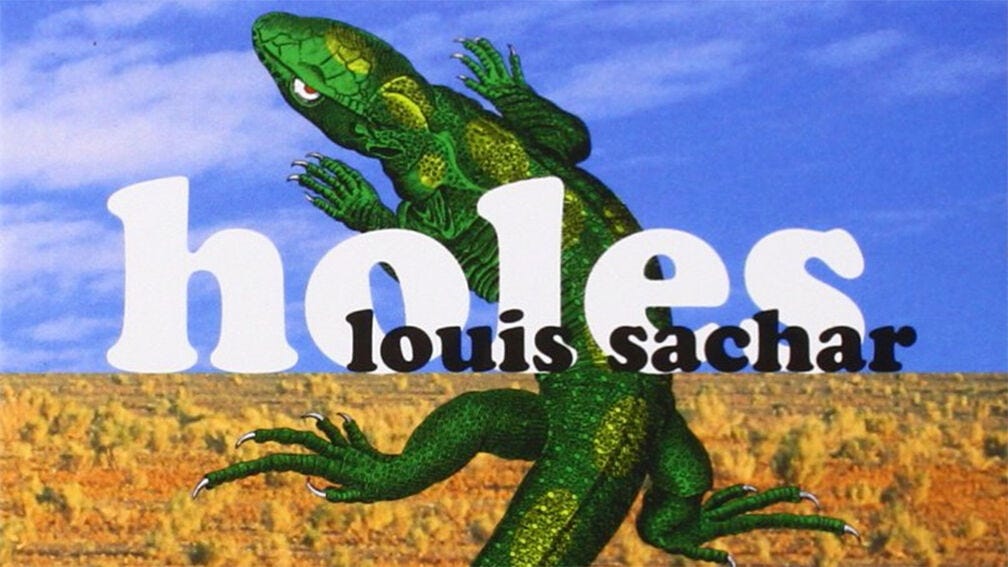
It has become something of a running joke that I’m not a fan of Holes by Louis Sachar. I should clarify: it’s a perfectly good book. It clearly became a classic for a reason, and if I saw a young person reading it voluntarily, I would hardly rip it from their hands. It has a satisfying mystery and plenty to say about fate, friendship and injustice. Some of its body-based humour and characterisation have not aged especially well, but I can see why it has had an enduring appeal. Mostly, anyway.
What I struggle to understand is why it continues to appear, year after year, on so many Australian high school booklists.
Actually, I do understand. Teachers are tired. Budgets are tight. Schools already own class sets, and decades of worksheets and essay questions are waiting patiently in shared drives. Choosing a familiar novel can feel less like complacency than survival. When a faculty is stretched, arguments like “we already have the books” or “we know it works” can be extremely persuasive. I see it happen again and again.
But a class novel is a significant investment of students’ time and attention. If we are going to ask an entire year level to spend six to eight weeks (or more) with one story, that choice should remain open to scrutiny, and to evolution. Holes was published in 1998, is grounded in an American context and has already been encountered (enthusiastically or otherwise) by generations of students. Familiarity can make a unit easier to deliver, but I have also found that it can also make the teaching feel inherited rather than purposeful. When every interpretation has already been mapped and every activity photocopied, there is a lot less room for genuine discovery by teachers or students. The importance of this should not be undervalued!
I know I say it all the time, but Australian students deserve opportunities to encounter contemporary Australian literature. Stories that reflect places, language and concerns closer to their own lives, alongside experiences that expand their understanding of the country they live in. Choosing recent local books also supports Australian writers and publishers and allows students to see literature as something still being made, not just a collection of approved texts handed down from the (dreaded) book room.
Of course, I understand that replacing a class set cannot happen through enthusiasm alone. I’m not necessarily suggesting that schools throw away usable books or ask families to absorb another expense. Change can be gradual! Purchase a smaller set for literature circles, use library and department budgets together, investigate eBook or audiobook access, seek support through voluntary parent contributions or a local grant, or build a class set over two or three years. Local booksellers may be able to offer school pricing, your public library may be able to step in (mine offers class sets for loan), and publishers will often provide sample chapters and teaching notes so staff can trial a text before committing.
So, if your school is ready to give Holes a well-earned rest, here are two recent Australian novels I would put forward instead.
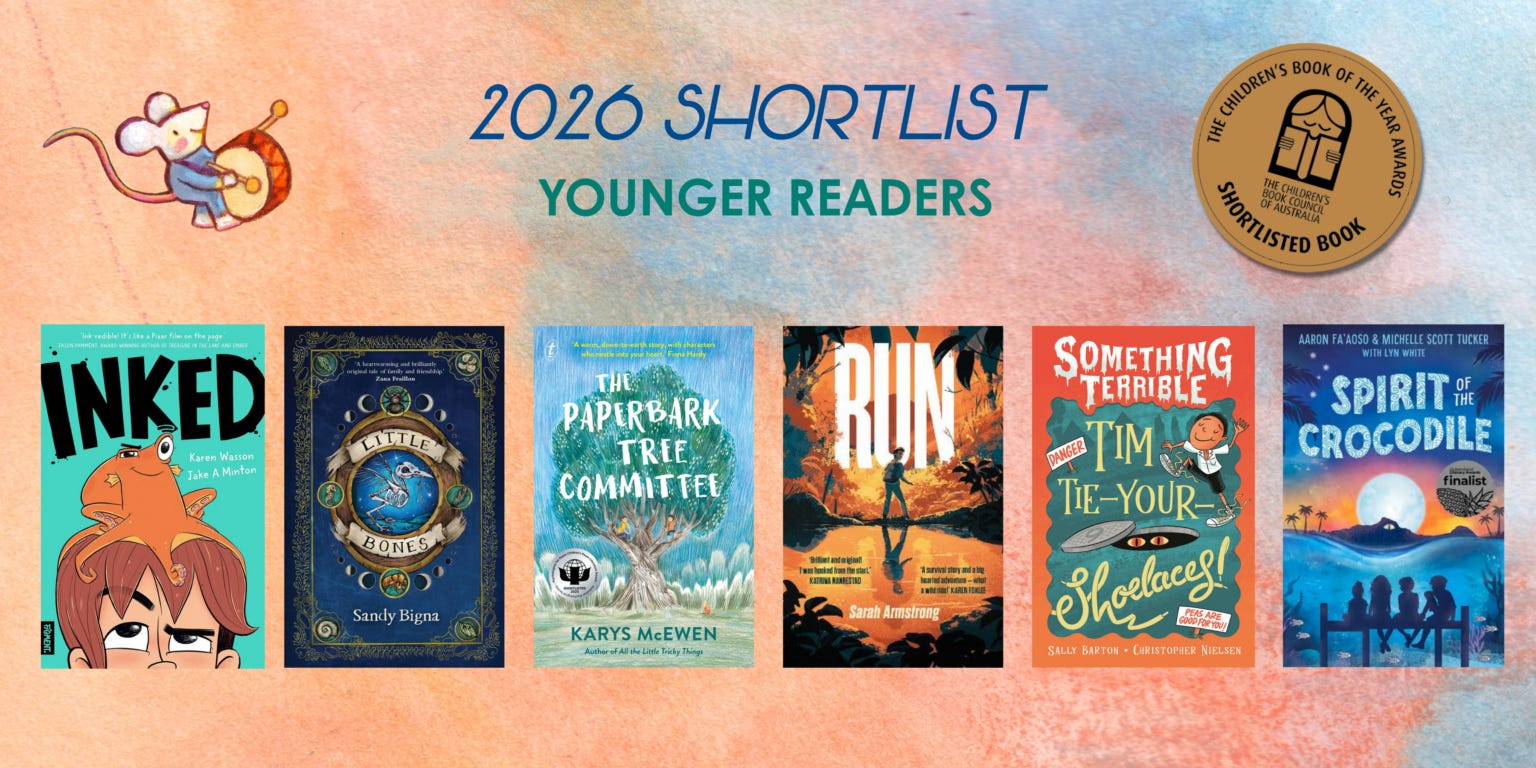
Run by Sarah Armstrong
Twelve-year-old Cas runs away rather than face the possibility of being returned to the father who neglected him. Lost in the Australian bush, he encounters two sisters and their father, a family who are also hiding—and whose reasons for disappearing complicate Cas’s ideas about guilt, trust and what makes someone “good” or “bad.”
Why teach it?
First and most importantly, Run is gripping. It has the immediate appeal that has helped keep Holes in classrooms. There’s danger, mystery, moral uncertainty, young characters under pressure and a plot that keeps moving. It offers reluctant and confident readers a great page-turner without sacrificing emotional or thematic depth.
