Make believe
Building the perfect winter reading stack, and more!

Hello! Happy school holidays to those who have reached that magical mid-point of the year (and solidarity to those of you still staring down another week…)
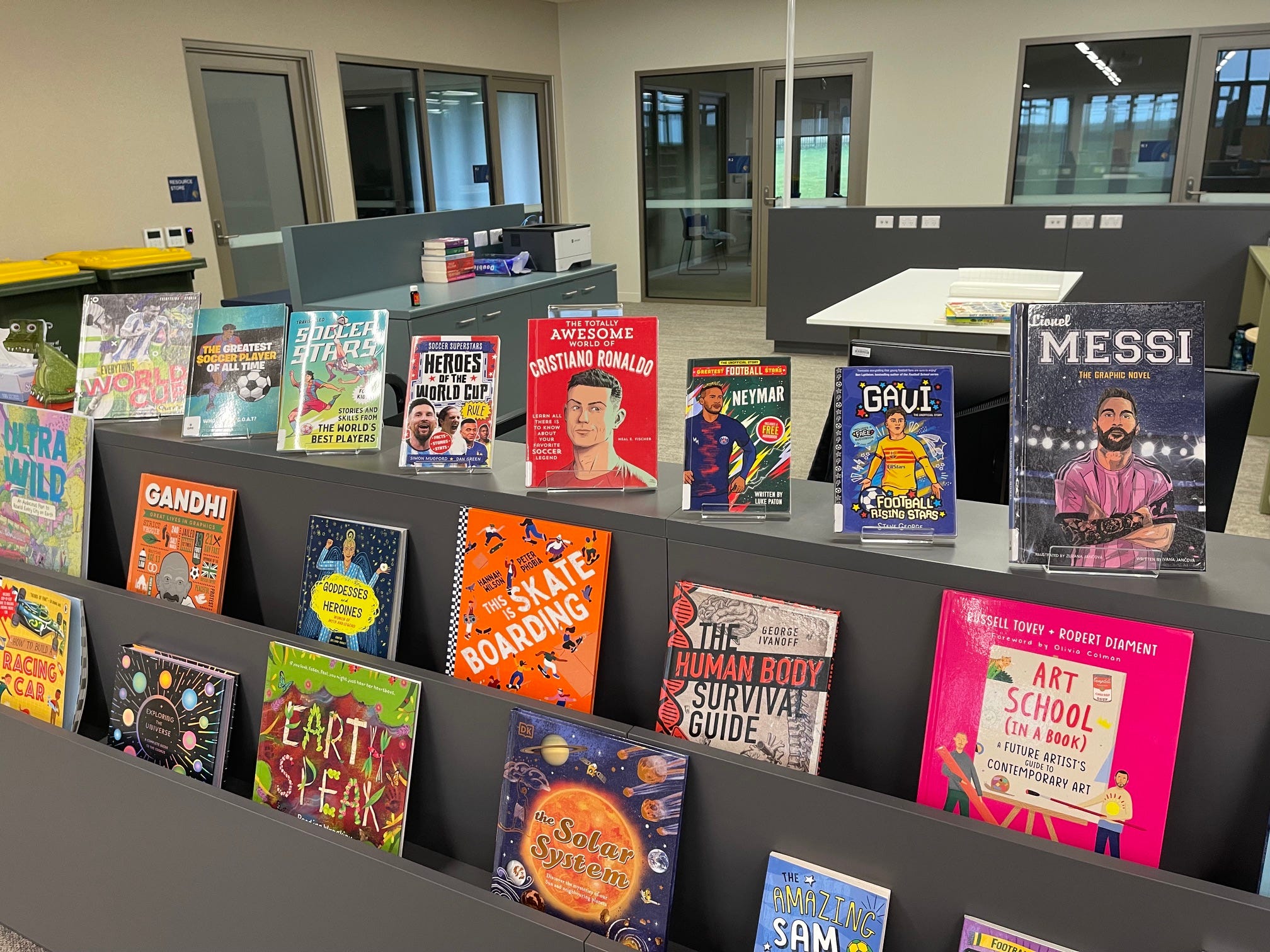
For me this past week has been a mixture of school visits, planning projects that will finally make their way into the world next term, and watching an arguably unreasonable amount of the World Cup on the big screen in the library.
I’m going to take the next two weeks off from the newsletter while I travel to see family, attend the AATE Conference in Perth, catch up with friends and hopefully spend some quality time with the stack of books that has been giving me judgmental looks from my bedside table.
So, onto it!
Above the paywall: some thoughts about book promotion and independent bookshops, and what I’ve been reading lately.
Below the paywall: school holiday reading recommendations for all kinds of readers, because there is no better time than winter to curl up with your next great book.
Good intentions don't keep bookshops open
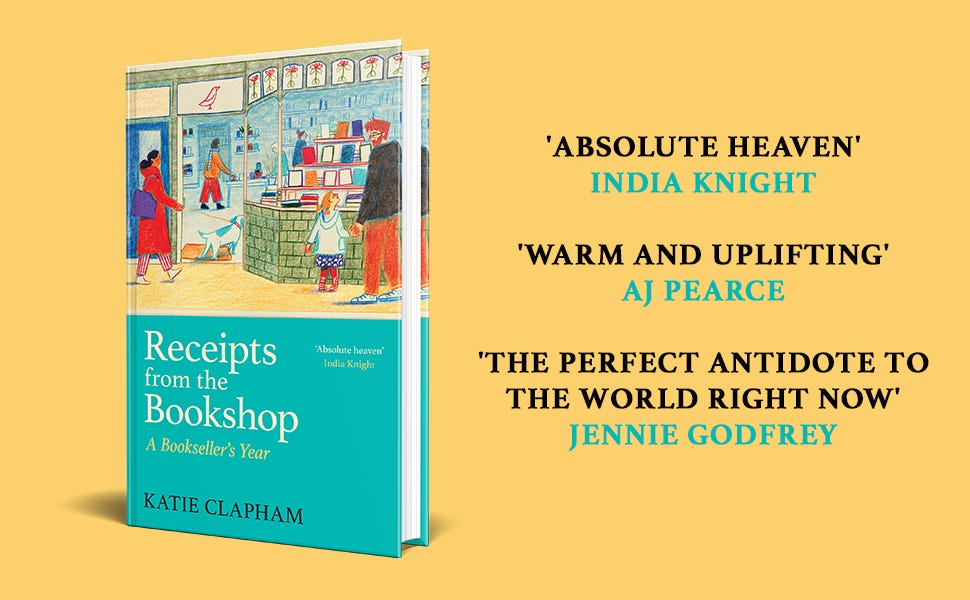
Katie Clapham, author of Receipt from the Bookshop and Receipts from the Bookshop, recently wrote about an author event of hers that had been cancelled because not enough people booked tickets. She wasn’t angry or fishing for sympathy. She just described the reality: how often we think, I should go to that or I’ll buy that book eventually, and how the gap between intention and action is where so much of publishing quietly lives or dies.
As an author, book promotion has always felt strange to me. Writers spend years trying to make something worth reading, and then, almost overnight, we become publicists. We hope for pre-orders, share event links, wonder whether to post one more reminder or leave people alone. We know everyone is busy. We know there are more books than anyone could ever read. We know choosing one book can mean not choosing another.
Most readers never see that side of it, and perhaps they shouldn’t have to. But Katie’s post gently pulled back the curtain without bitterness. It acknowledged something most authors know but rarely say aloud: our industry isn’t sustained by vague goodwill. It survives because people actually buy the book. They actually book the ticket. They actually walk through the door.
That honesty felt refreshing. It also reminded me why independent bookshops matter so much.
As a librarian, I spend my days encouraging reading for pleasure. I have also spent some time working in an independent bookshop, selling books one conversation at a time. Those relationships don’t happen by accident. They exist because someone has chosen to build a business around stories as well as spreadsheets.
Independent bookshops aren’t only places that sell books more ethically than giant online retailers, although that’s part of it. They’re places that create readers. They champion debut authors. They remember children’s names. They recommend books that algorithms never would. They host conversations, events and book clubs because they believe books are worth gathering around.
It’s easy to love the idea of independent bookshops. It’s slightly harder to choose them every time convenience points elsewhere.
Katie’s post made me think about that distinction between affection and action. I suspect most of us would say we want independent bookshops to exist. The more uncomfortable question is whether our spending reflects that. Are we putting our wallets where our values are?
The essay in question wasn’t trying to shame anyone. It was just reminding us that if we value something, we have to participate in keeping it alive.
Bookshops don’t survive on sentiment. They survive on readers who decide that today (not someday) is the day they walk in, browse the shelves and leave carrying a book. Or two or three.
What I’m currently reading
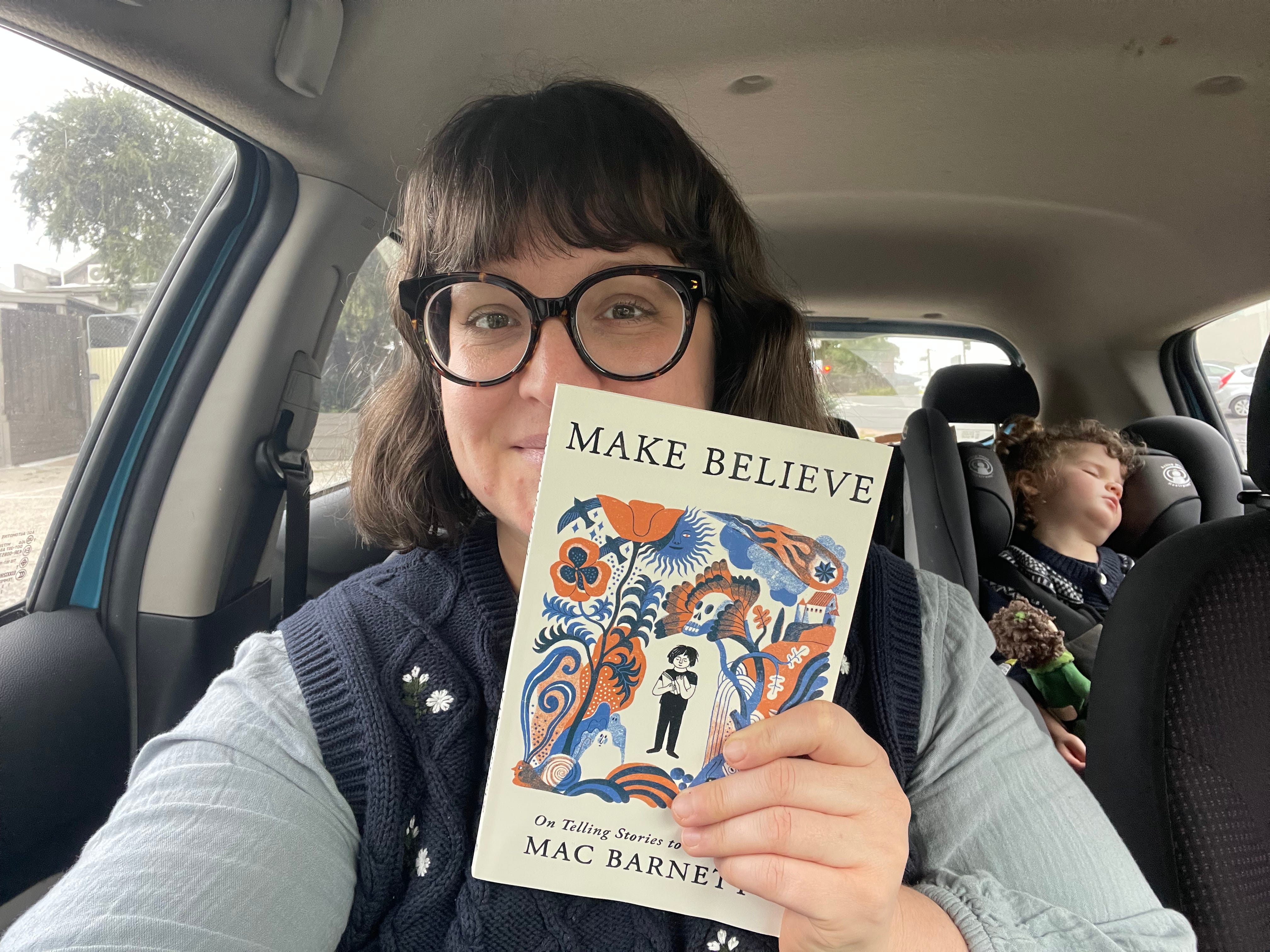
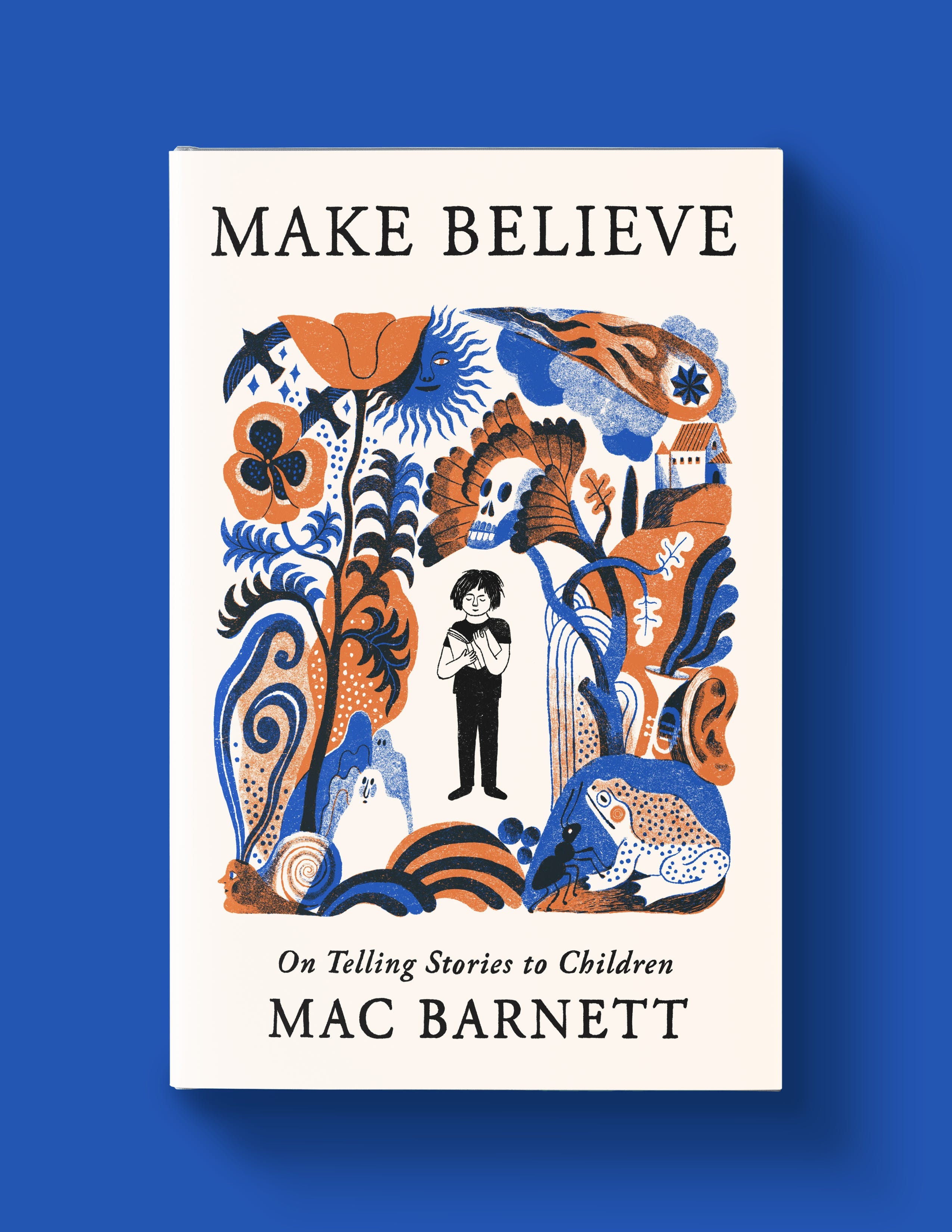
My copy of Make Believe: On Telling Stories to Children by Mac Barnett finally arrived this week, and I read it in a single (car) naptime.
A few weeks ago, I wrote about the recent controversy surrounding Mac Barnett and the now-infamous quote that sparked so much discussion online. Having now read the passage in context, I can say with even greater conviction that it was a beat-up, and an entirely unjustifiable one. The whole book is a passionate defence of children’s literature as a serious art form, and of children as readers worthy of our very best work.
“Kids can exist in this in-between place full of uncertainty and porousness and ambiguity and all kinds of liminal stuff that dead dull finished grown-ups find difficult to endure.”
This slim collection of essays should be required reading for anyone who works with children’s books—teachers, librarians, booksellers, publishers and parents alike. Barnett argues that children deserve high-quality literature, that children’s books deserve thoughtful criticism, and that we do young readers a disservice when we treat their books as somehow lesser than those written for adults. It reads like a letter from an expert who cares about his craft. The whole thing is thoughtful, funny, scholarly and conversational all at once.
If you’re reading this newsletter, you’re exactly the audience for this book.
“Children are perceptive, flexible, and open-minded. They have to be. Childhood is a long series of experiments—testing out hypotheses and making adjustments. It seems only right that so much of the best children’s literature is experimental too. Kids read without tightly held notions of what a story can or should be. An unconventional structure or new approach bothers them not a whit. It’s an adult who is much more likely to be bothered. Adults, when we come into contact with something we don’t understand, tend to push it away. Difficult art can make us feel stupid. Literature can be a challenge to our dearly prized sense of mastery, the stability intrinsic to the very concept of being a grown-up. “Grown,” past participle: We have grown up. We are finished growing.
But kids are proudly unfinished. And when they encounter a story that makes demands of the reader—a story that requires thought and feeling and imagination in order to be fully understood—kids do what they do so well, so many times each day: They bravely work to comprehend the new.”
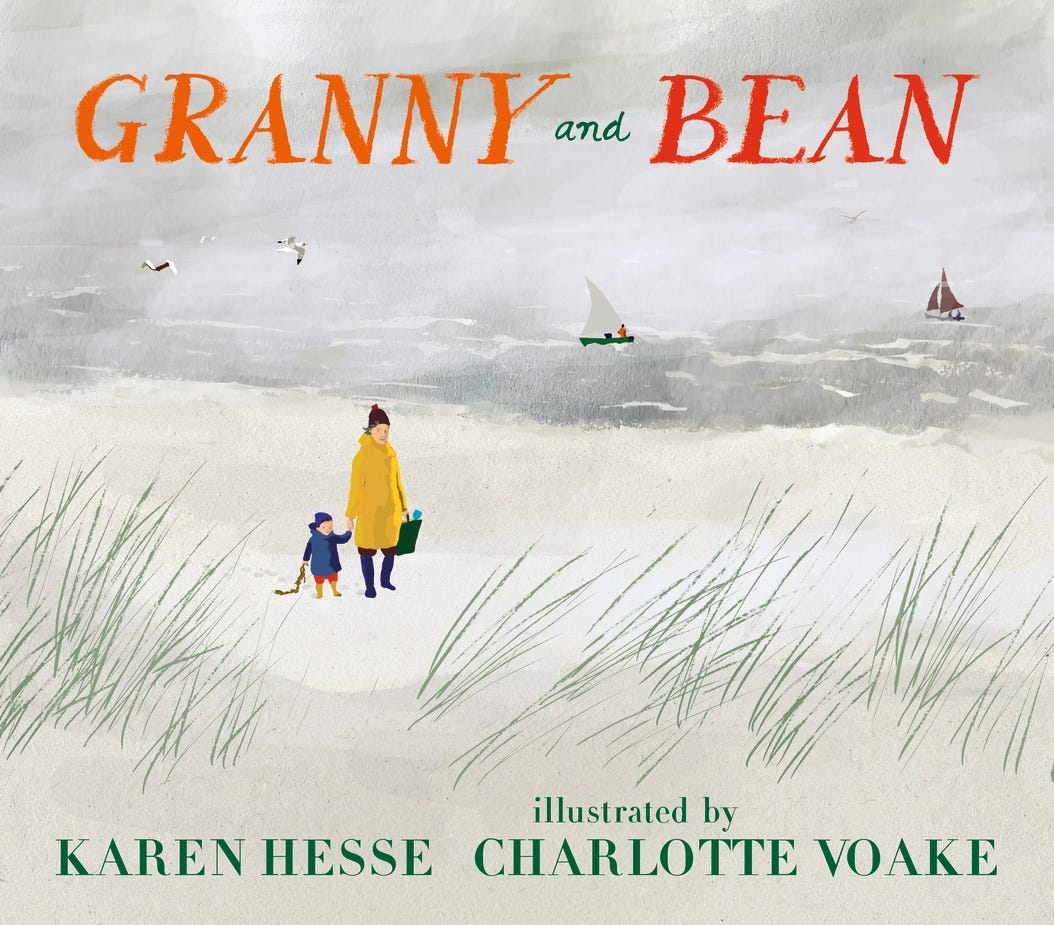
This week in picture book reading, I have loved the quiet and moody Granny and Bean by Karen Hesse and Charlotte Voake. This is a book that understands that children don't need every feeling explained to them. Through spare, carefully chosen text and atmospheric illustrations, it captures the rhythms of an ordinary walk shared between a grandmother and grandchild. There is a gentleness to the storytelling, but also a confidence in what is left unsaid. It's the sort of picture book that invites you to slow down and notice the details. A reminder that picture books don't need high stakes or loud moments to leave a lasting impression!
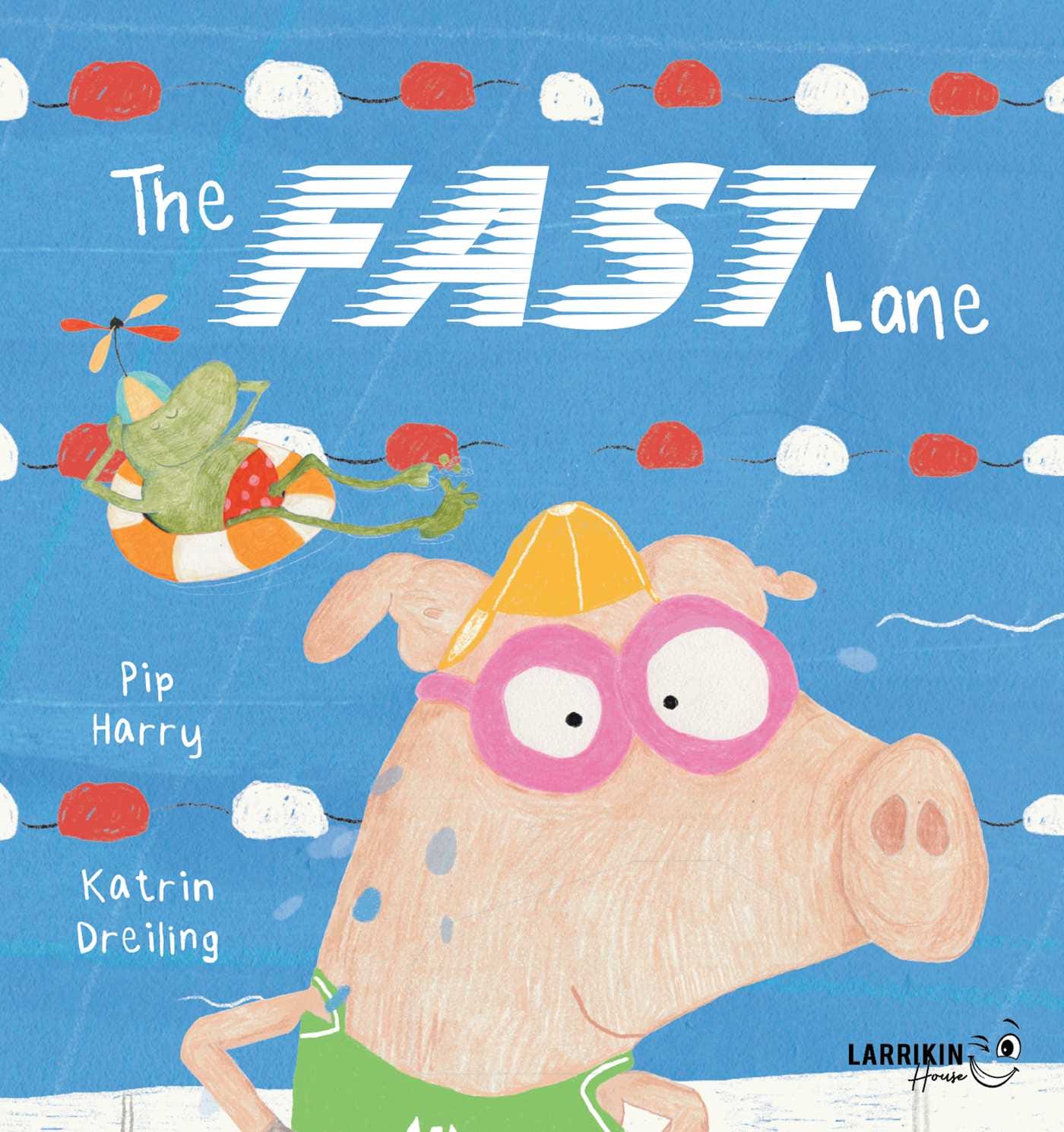
The Fast Lane by Pip Harry and Katrin Dreiling has also been a lot of fun. On the surface, it's an entertaining and delightfully absurd story about competition and the desire to be the best, but underneath the humour is a thoughtful exploration of ambition and what success really means. The energetic illustrations perfectly match the escalating chaos of the narrative. It's one of those picture books that manages to be both informative and genuinely funny. Young readers will laugh at the absurdity, but they'll also come away with plenty to discuss about winning, losing and finding joy in the process rather than just the outcome.
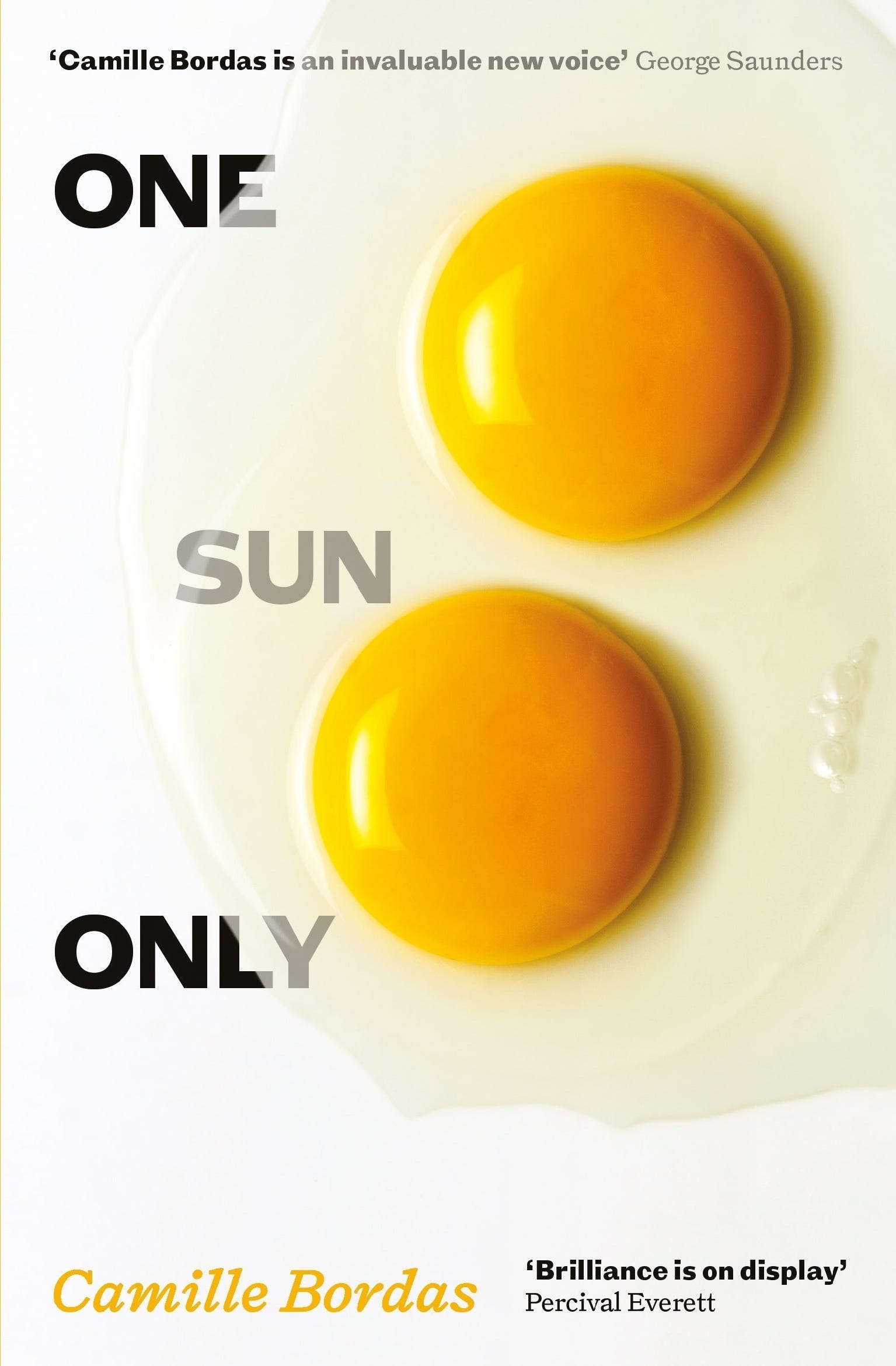
As for adult reading, I have been dipping in and out of the short story collection One Sun Only by Camille Bordas. With endorsements from George Saunders and Percival Everett on the cover, I expected something a little more challenging and literary, but instead I've found it surprisingly readable while still being sharp and intelligent. The stories remind me a little of Curtis Sittenfeld's work, which is high praise from me. The author has a keen eye for the contradictions and absurdities of contemporary life, and her characters are often both painfully self-aware and completely blind to their own misgivings. I found myself reading these dark, funny stories one at a time and then leaving space before starting the next, just to sit with the questions, observations and discomforts each story leaves behind.
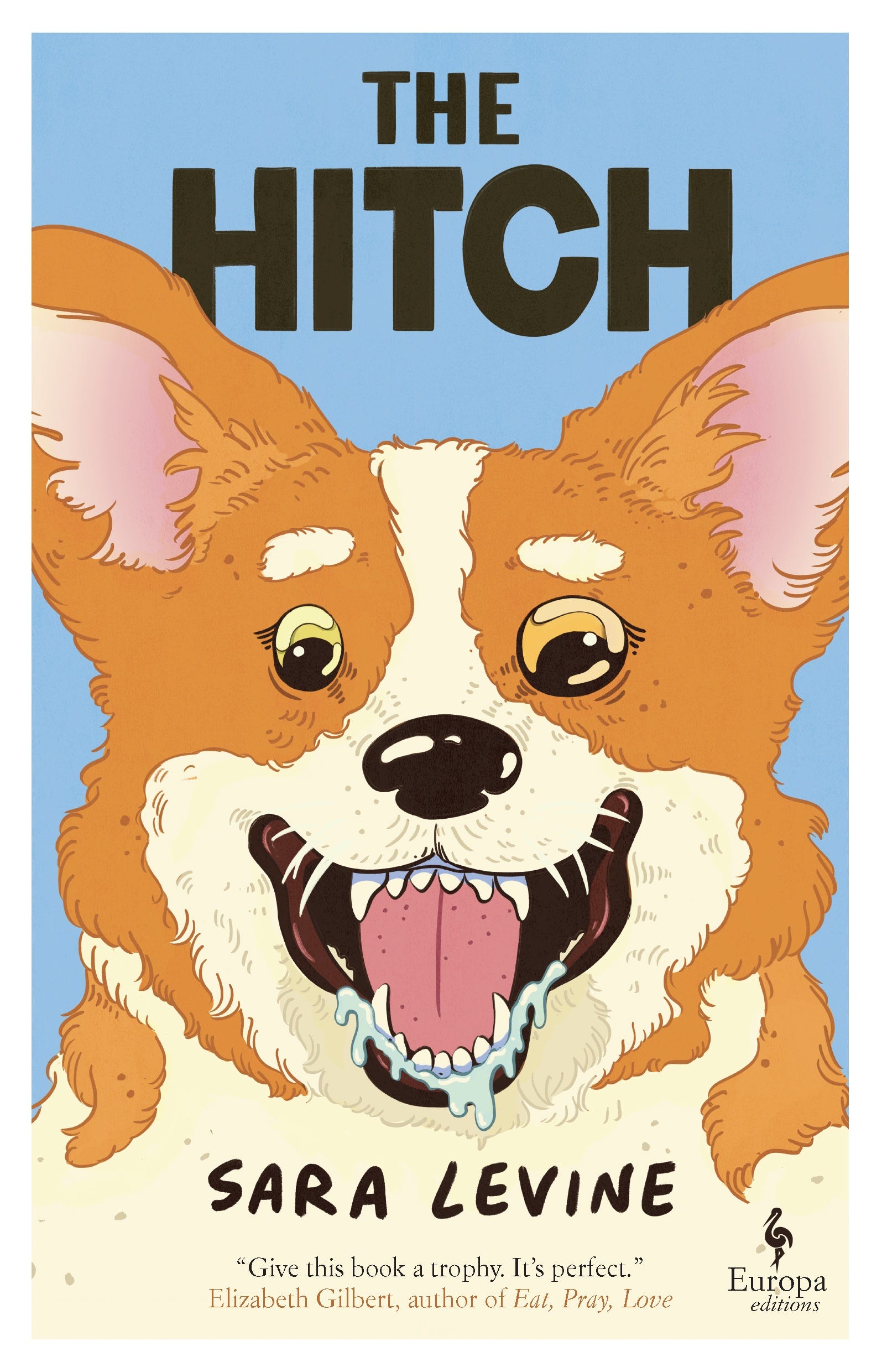
The Hitch by Sara Levine has been a wild ride, in case the cover didn’t already give you that hint. The novel follows Rose Cutler, a highly opinionated yogurt-company owner who finds herself caring for her six-year-old nephew while his parents are away. When Rose’s dog kills a corgi at the park, the dead dog’s spirit apparently takes up residence inside her nephew. Things only get stranger from there.
What makes the novel work is the voice. Rose is self-righteous, lonely, funny, exhausting and strangely sympathetic all at once. She is constantly reveals far more about herself than she intends to, and the result is both hilarious and surprisingly moving. The story is packed with absurdity, but underneath the increasingly chaotic plot is a story about control, loneliness, family and the impossibility of managing other people’s lives. I found it strange, unsettling and very difficult to put down.
And some online reading: an article that argues the idea of the "gifted child" is largely a cultural and educational construct rather than a fixed measure of innate intelligence, how mental health can complicate the decision to have children, and while science can help explain and ease some aspects of grief, adapting to a life permanently changed by loss is an ongoing process.
A Stack for the School Holidays
What is on your winter reading list? With school holidays arriving and the temperatures dropping, there are few better excuses to spend time with a good book. Whether you’re a committed reader or someone who only picks up a novel when there’s finally time to breathe, I hope you’ll find something here to add to your stack.
Here are a few books I’ve been recommending lately, all of which would make excellent winter holiday reads for you and the young people in your life
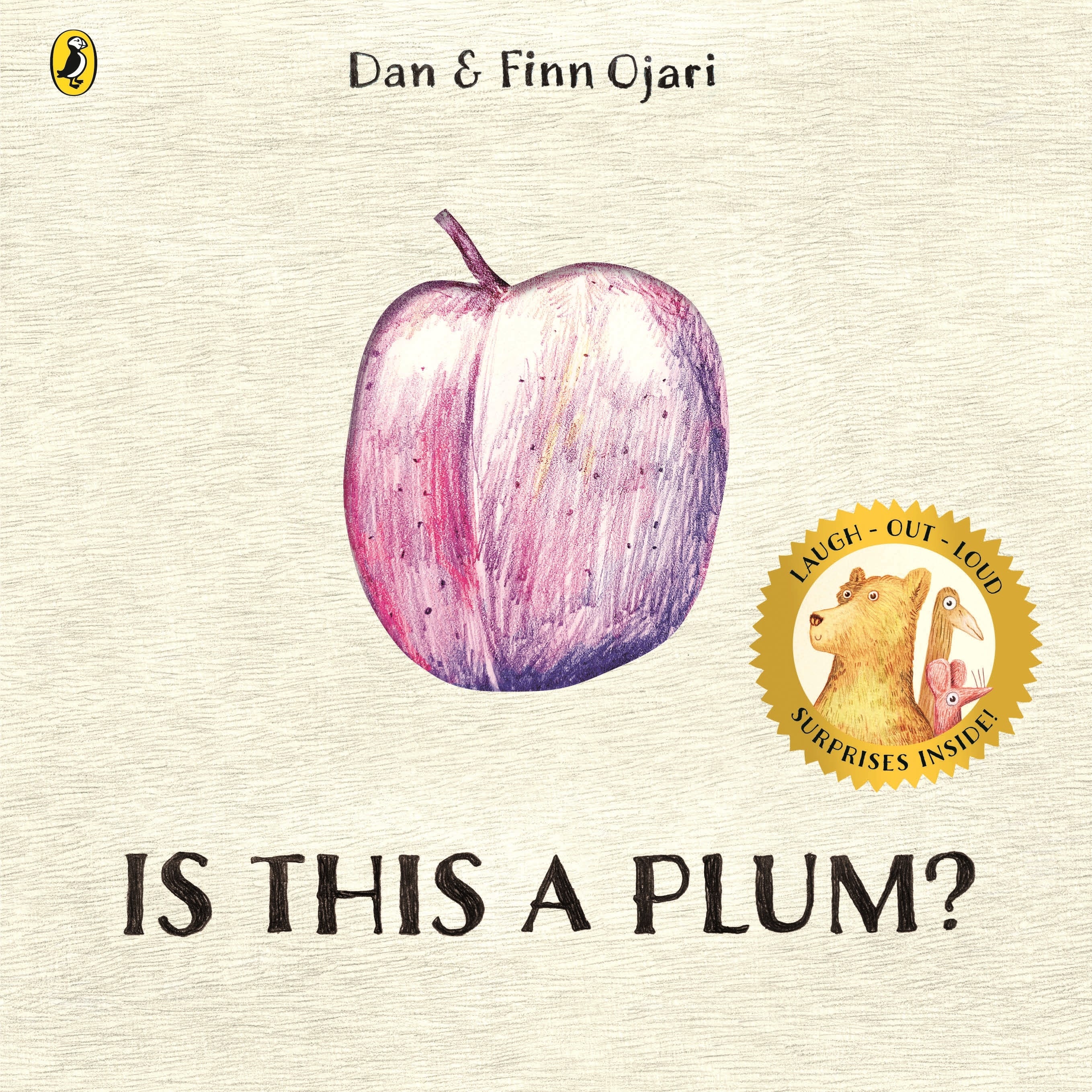
Is This a Plum? by Dan and Finn Ojari
This picture book has been on constant rotation in my house for months now, and shows no sign of letting up. We’ve also been gifted it, twice! It’s clearly resonating with people and they’re right to think we’d love it, too. I think it fits nicely with Mac Barnett’s view of picture books being strange, silly, clever and original. The die-cuts are perfection, turning every page into a little joke reveal, and my daughter now knows the words by heart. If you haven’t discovered this one yet, let the winter holidays be the perfect time.